NO ONE PARTIED LIKE POST-9/11 NEW YORKERS
EVERYONE KEEPS TALKING ABOUT 9/11, BUT ALL I KEEP THINKING ABOUT IS THE CHEAP RENT AND GREAT PARTIES THAT CAME AFTER
Warehouse party, Bushwick, Brooklyn, Halloween 2009. Photo credit: JB Nicholas.
MALONE, NEW YORK Sept. 11, 2026
The thing about post-9/11 life in New York City no one's talking about, the rent was cheap and there were parties everywhere. We danced in the shadow of death.
There were giant dance clubs all over Manhattan below Times Square, free shows at Tower Records on Broadway, dive bars by the dozen in the Village where drafts cost $3 a pint, stripper parties in sleazy mid-town lofts, $160 eight-balls of blow, Interpol blasting from speakers everywhere, so many gallery openings and launches with open bars you could drink for free for hours almost every night, cheap cabs all you had to do was step out onto the street to hail and, thanks to the Craigslist, easy to meet NSA sex partners all over the Internet.
The backdrop for all this fuck-it-all-and-fucking-no-regrets fun was the smoldering pit of toxic debris and human remains at Ground Zero. If the wind blew just right, you could still smell it. That along with another new, ill-defined "war" against "terrorism" that included invasions of Afghanistan and Iraq made it the usual "best of times, worst of times."
I jumped in with both feet.

Prison “click click” with friends and law library colleagues at the Mid-Orange Correctional Facility in 2003, note the World Trade Center in the brackground mural. Photo credit: by an unknown Jaycees photographer, courtesy of the archive of the author, JB Nicholas.
I watched 9/11 unfold on a TV screen in a prison day room.
I heard about the first plane hitting the North Tower on the radio. I was listening to NPR as I wrote in longhand, black pen on yellow legal pad, in my cell. I rushed out to the day room and turned the TV from ESPN's SportsCenter to CNN. About ten of us watched the second plane strike the South Tower.
"My moms works there," one of us said out loud, calm and dead-straight.
The room was momentarily silent. Not even the newscaster was narrating events, letting the live images speak for themselves.
Someone went over and hugged him. He started sobbing, right there. I'd seen a lot of sad shit in my almost 13 years in prison. A lot of stuff worth crying about. I'd never seen someone actually cry. Dudes just didn't do that. This time was different. Creeping dread than swelling rage filled our hearts.
His mom made it out. But he didn’t find out for hours.
We were all New Yorkers. The City was our home too. It was under attack. We wanted to help. Some of us wanted to donate blood. Others hoped to join the military so they could shed it.
"You think they'll let us go fight?," someone asked.
The Pit at Ground Zero, 2004. Photo credit: JB Nicholas.
Flash-forward 22 months. I had almost half-a-million dollars and could have gone anywhere in the world when I was paroled Bastille Day 2003. There was never any real question in my mind that I'd go home, to New York City.
A black Cadillac took me back across the George Washington Bridge. I remember looking down the line of tall apartment buildings that rise along the west side of Manhattan where it meets the Hudson River like a great wall—all the way down to the battery.
I remember seeing the hole in the skyline there for the first time. The spot at the southern tip of Manhattan where the Twin Towers once stood tall. I told the driver to take me there. Ground Zero was my first stop. I stepped out and stared down into the Pit.
I slept in the largest suite at the Mercer hotel in Soho that night. I'd had a reservation for a regular room, but management upgraded me gratis. It was the first of many charmed, almost magical moments that made life in New York City very interesting back then. If a convict could be mistaken for a movie star, anything was possible in post-9/11 New York.
I went back and partied in that suite a year later to celebrate my first year of freedom. The hotel made me pay full-price that time. Still, two-for-one is never bad.

Mercer Hotel, July 14, 2004. Photo credit:: JB Nicholas.
I was first raised by a single mom in the Bronx in the 1970s. Mom taught me how to properly party, the New York City way.
She took me to the Nation's 200th birthday party in 1976. We watched a parade of tall ships sail up the Hudson to the George Washington Bridge, then back down to the Battery. That evening, we watched fireworks explode over the tall statute
The Twin Towers of the then-newly-built World Trade Center rose on the side of the harbor across from her. The fireworks sprakled darkly on the towers’ steel-and-glass exteriors. Later, Mom took me to the towers and we rode an elevator to the roof. It was night. We looked out over the twinkling majesty of our city.
It was bankrupt and burning but at least it still looked great from the top of the Twin Towers.
Mom and I even partied during the infamous 1977 Black Out. While looters rampaged through neighborhood-after-neighborhood, we sat on our front steps with a gas-powered Coleman camping lamp enjoying the company of our neighbors—talking smack and telling stories.
In the 1980s, I was a precocious teen hanging out with the 20-somethings I worked with at a 350- or-so seat restaurant. Late at night after work, sometimes I went with them to Manhattan where we visited the hottest clubs of the day, like the Underground in Union Square and The Roxy—then called 10-18.

6-year-old me celebrating America's 200th birthday in 1976. Photo credit: Sharon Nicholas.
Toward the end of my bid, I was in a prison close to New York City. We were so close our radios could receive New York City stations. WKTU broadcast its Saturday Night Dance Party with the world’s best DJs live from clubs on the weekends. I listened on headphones and dreamed about dancing in one of those clubs when I got out.
I planned my new life from a cell and decided it would start in downtown Manhattan. I'd seen the World Trade Center bombed on 9/11, but I wasn't afraid. I wanted to lend a hand in the resurrection of my City. In those days it seemed just being there was enough. It was giving bin Laden the finger.
Rents were particularly affordable at the time because a wave of people fled the City for the safety of the suburbs after the attack. I found a penthouse for $2,500 a month. It was tiny, 500-square feet or so, but it was still a penthouse. I had the rooftop of the tenement building it topped all to myself. I covered the tar paper roof with artificial turf and potted pine trees.
I lived on Sullivan Street—in the heart of the Village. From my roof that first September, I saw the twin columns of light that lit the sky at night where the towers once stood every 9/11. Anna Wintour lived a block away. Five years later, I would photograph then-presidential candidate Barack Obama visiting her townhouse for a fundraiser—but that’s another story.
Sullivan Street was magical. There was a small dance club in the basement of the building next door. I would walk out the front door of my building on the weekend and a line of people would be standing on the street waiting in line behind a velvet rope for a bouncer to let them into the club. Since I lived next door, they just let me in whenever I wanted.
Sullivan Street was an old-school city block filled with small businesses of all kind. It was like a village. Just on Sullivan Street, I could get my laundry and dry-cleaning done, my shoes shined, my hair cut. I could get fresh meat from a butcher, go to church, go to AA and NA, get a message, buy designer clothes, go dancing, take my kid (if I had one) to school and get a drink as late as 4:00 AM.
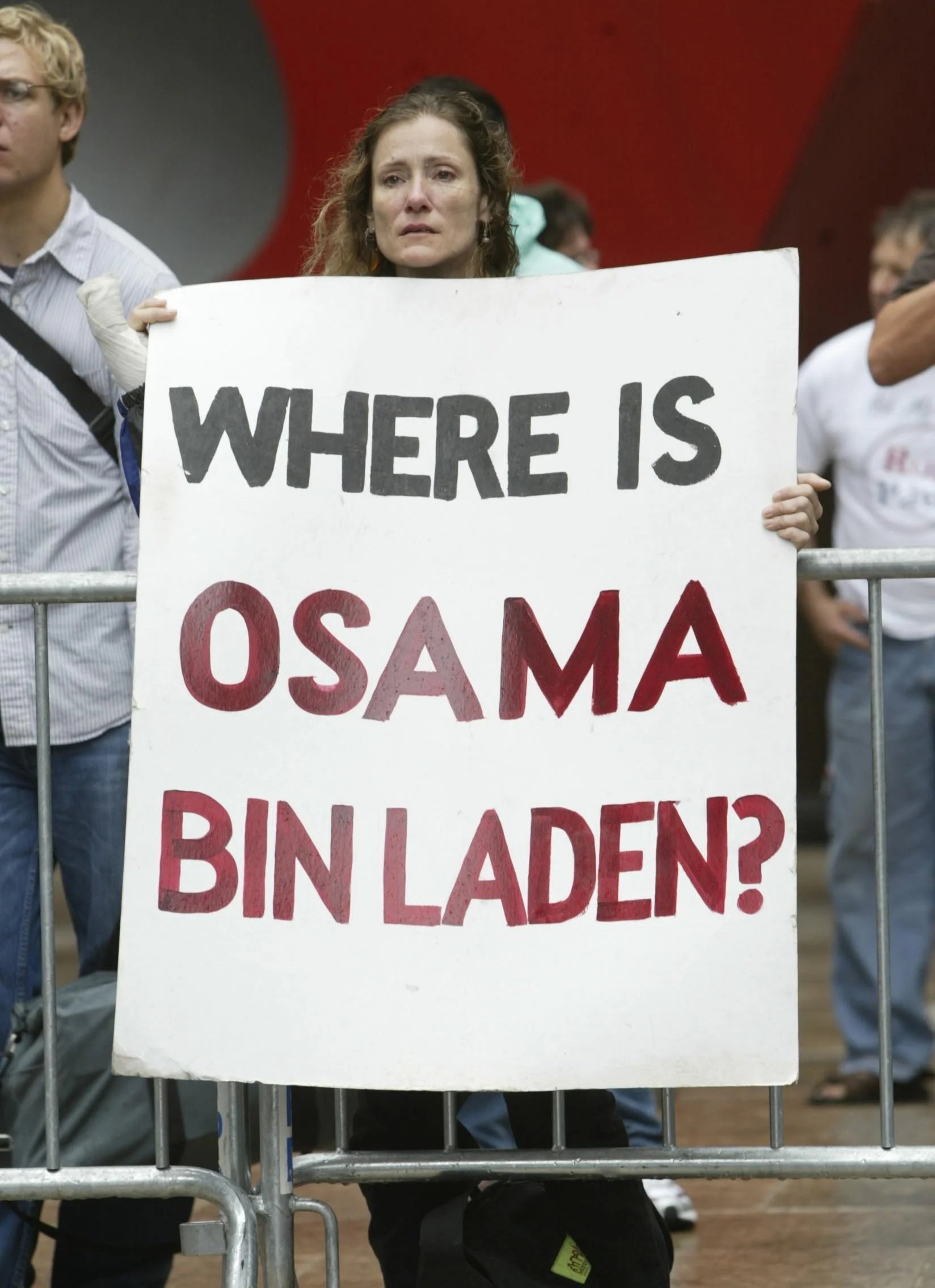
Sept. 11, 2007. Photo credit: JB Nicholas
Blue Ribbon, a small, dark restaurant open until 4:00AM was three blocks away. It was and remains my favorite restaurant in New York City. I somehow managed to save enough money even when I was dead broke in the next decade to eat there at least once a year.
I turned the coffeehouse slash wine bar across the street into my living room. It was managed by a then-20-something actor from the Philly suburbs named Joe Gannon. Gannon and I became good friends. Since he was friendly with everyone, and I mean everyone, his friends became my friends.
Instead of gangsters, I surrounded myself with good people.
I worked for civil rights lawyer Ron Kuby during the day, went to NYU in the evening and went out and sometimes danced the night away after that. Kuby's office was at Astor Place at the time, and NYU was a block away from my apartment. I walked everywhere.
I was walking to my gym, Crunch fitness on Lafayette, when the lights went on Aug. 14—a month after my release. I got my work out in anyway. After the gym, walking home I could feel that the streets were about to turn into one giant block party. That's exactly what happened.
I sipped a $100 bottle of champagne with my super Dave on the sidewalk in front of our building. (Back when building superintendents still lived in the buildings they superintended.) Everyone talked with everyone. Bodegas handed out free ice cream. Bars handed out free beer. There was a drum circle and a fire ring in Tompkins Square Park.
That’s the spirit that animated New Yorkers in the post-9/11 years. As if getting bombed made every catastrophe that came after very easy to deal with. Not really anything at all.

9/11 memorial lights as seen from the room of my apartment, 220 Sullivan Street, Sept. 11, 2004. Photo credit: JB Nicholas.
14 short blocks away from Ground Zero was Arc, an after-hours dance club in Tribeca. It was a relic of the 1970s and 1980s when club owners spent hundreds of thousands of dollars to create "immersive audiotopias," Micah Silver wrote in Design Observer. The goal was to create
rooms that were hypersensitively aural in ways the general public had never experienced, and the most advanced DJs of the era were exploring the potential of this sensitivity with sophistication. A social architecture emerged around liberated sexuality and identity within the semiautonomous, near-imaginary air that the disco sound environment enabled.
Arc really was Wonderland. It was a rabbit hole you fell through into an underworld. The party at Arc started around 4:00 AM, when other clubs closed. It rocked, hard, until noon. Sometimes when everyone was sweating at 9:00AM the place smelled like a locker room. The aroma just added to its greatness.
Other places that rocked were a goth-industrial club called the Bat Cave near Madison Square Garden. Lit Lounge, in the East Village. Marquee in Chelsea. 10-18 went back to calling itself The Roxy, also in Chelsea. A bunch of loungey clubs in the Meatpacking District. And dive bars, small music venues and loft parties galore all over the East Village and Lower East Side.
Motherfucker was a roving dance party that took off and took over clubs every three or so months during the mid-'Aughts.
That's where I first met my first serious girlfriend, a blonde from Australia. I met her at another club the night after that, and at yet another club the night after that. That third night I took her home with me. When the rising sun lit her iris, she sat up straight and said she had to get home, to her husband. It was the first I'd heard about him. I gave her cash for a cab and saved her number in my cell-phone.

On the dancefloor at the Bat Cave, 2005. Photo credit: unknown, courtesy of the archive of JB Nicholas.
A couple months later, we were out at another club when a girl set her sights on her. We left before she was ready to go, but she called my friend later wanting to come over. We gave her the address, but three guys cornered her in a Bleecker Street doorway at 3:00 AM. She had called us just before that. When my friend got off the phone with her she said we got to get her. We got dressed and ran to the corner of 7th Avenue to save her.
One of the three men was armed with a knife. I fought him and a second guy off as the ladies flagged down a cab so we could get away.
Outside the clubs, the soundtrack was Interpol, who broke through with their 2002 smash album Turn on the Bright Lights. Everyone was going to bars, doing coke, fucking and listening to Interpol. Some lucky people were actually doing all four of those things with actual Interpol members—or people who looked like Interpol members. Or Cat Power—or looked like her.
There were still punk rock shows at CBGB. My old friends took me to see Sick of All and a bunch of other classic NYHC bands in 2005 or so. My boys had been friends with a bunch of them since the late 1980s. We all hung out in the alley behind CBs, drinking beer from 40 OZ bottles and passing around blunts like it was the 90s. I couldn't smoke because I was still on parole and got drug tested. When I told them this, no one made fun of me. They just nodded. They understood.
That’s how it is when you find your people.

Getting dressed to go to Motherfucker in 2004. Photo credit: Stephanie, courtesy of the archive of JB Nicholas.
I graduated NYU in 2006. I was 36. I was ready for something new. I went to work as a news photographer, first for the New York Post.
It's one of the great and wonderful contradictions of my life that after I worked for a radical civil rights and criminal defense lawyer, I worked for arc-Conservative Rupert Murdoch. But that was part of the random magic of life in New York City back then. Life wasn’t scripted like it feels today. Back then it really felt like anything could happen. True, getting killed was part of the anything, but you could also find yourself fucking a movie star or a millionaire if you opened yourself to the endless possibilities of the universe and were just a little lucky.
Murdoch gave me regular work at his flag-ship newspaper. I made $100k-plus the first year I worked for his beloved Post. I drove around the City listening to a police scanner and racing to catastrophies of all kind I heard broadcast on it. You name it, I shot it. At criminal court, I photographed ordinary scumbags and bold-faced names alike. One time, I looked across the room and saw my younger half-sister working as prosecutor for the Manhattan District Attorney’s office.
I saw her three times in my life. As an infant, soon after she was born; when she was 18, on her way to Cornell; and in that coutroom. I had no idea. I was so proud. Then I was mad because when I looked her up I found she’d gone to NYU law and had lived within a mile of me for years without saying hi. Even after that, she wouldn’t talk to me. I kind of understand: I don’t talk to our father.
I loved my job because crazy shit like that always happened to me when I was working. It was very real. I just rolled with it and embraced the opportunities that came with it.
I even met Murdoch in an elevator at News Corp headquarters once. I thanked him. Imagine that. Well, it really fucking happened. I lived it. That was the wild, unpredictable post-9/11 New York City I knew.
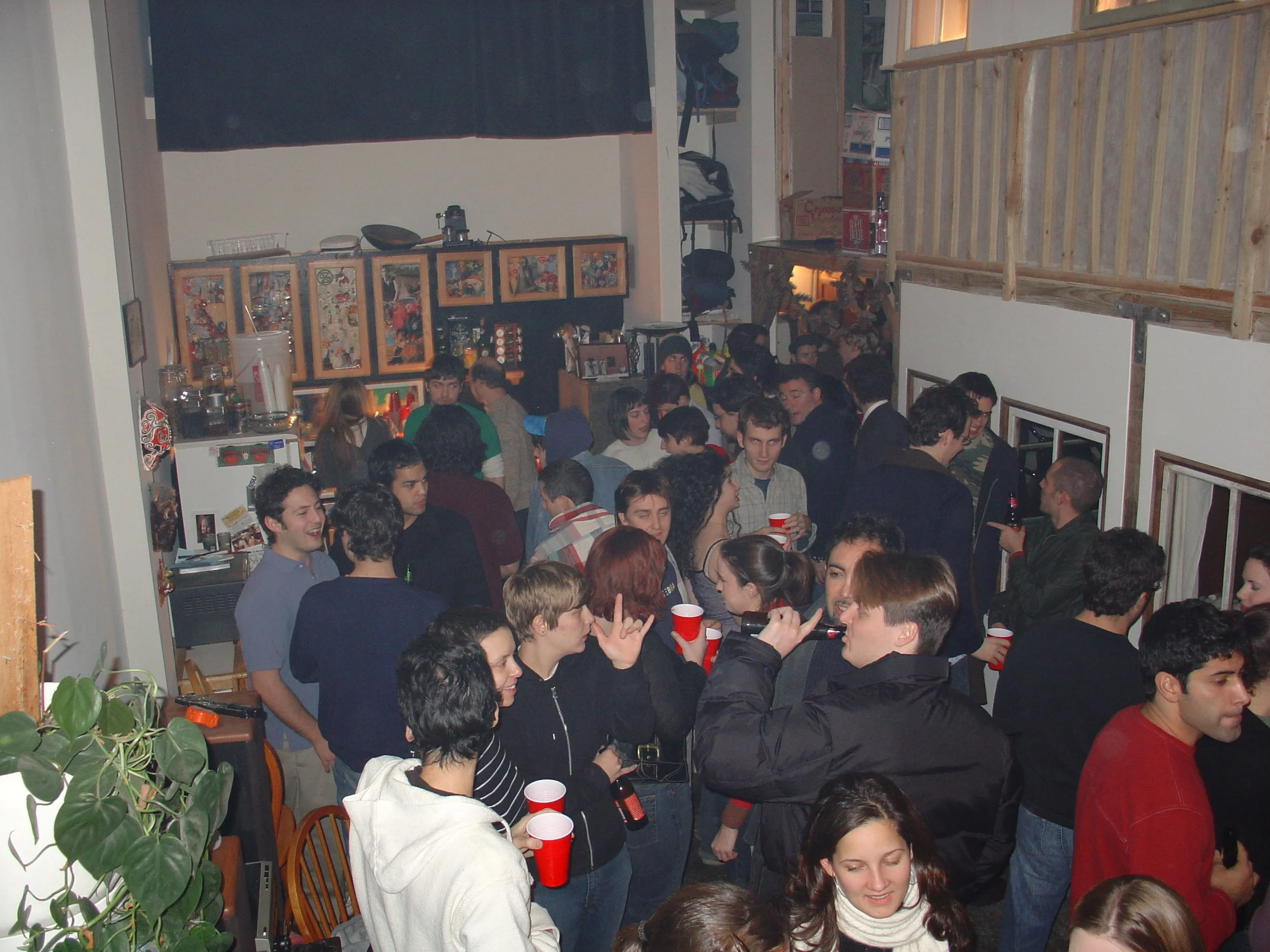
Party at Ian’s loft in Red Hook, Brooklyn, Feb. 25, 2004. Victor, who I worked out with for almost three years in prison and stayed in touch with, is in the photo. Photo credit: JB Nicholas.
As a news photographer, I saw 9/11 fresh: through the eyes of my new journalist colleagues.
Back when I started as a news photographer, 2006, they all talked about 9/11 like it happened yesterday. Since it was only five years in the past at the time, it just about did.
They all said it changed their lives, without describing how. They didn’t have to explain. After 9/11 there were 343 full-dressed, firefighters’ funerals. Most were open to the press. The New York Daily News published a profile of every single one.
Some of my new colleagues were living 9/11 legends. Daily News photographer David Handschuh was among them. He was standing on the street at the base of the South Tower when it was struck by one of the four jet planes hijacked by suicidal Al-Qaida terrorists on 9/11. Handschuh was thrown half-a-block and buried under an FDNY vehicle when the tower collapsed on top of him—all 1,362 feet of it. Amazingly, he lived to tell the tale.
In the aftermath of another catastrophe, Hurricane Sandy in 2012, I bumped into the veteran photojournalist in Breezy Point, Queens. After a flood caused by the hurricane’s massive storm surge washed half the place into the sea, a fire broke out and burned down dozens of homes that somehow remained. Later, amid the burned out ruins, someone hung an American flag. Instead of hanging it the normal way, by the narrow side behind its starfield, they hung it from the top so it hung down lengthwise.
Handschu was standing there, photographing it from the front as I made my way through the wreckage. I didn't want to take the same photograph he was taking so I studied the scene for a moment figuring out what I could do different. That’s the way news photographers show each other respect. They try not to take the same photograph someone else before them did. (At least with features, breaking news is every man for himself.)
I studied the flag. The wind was blowing it toward and away from us. The next moment when the flag fluttered toward us, I saw it differently. I stepped into the photograph Handschu had taken, through the way he framed it, and turned around, behind the flag from the perspective of where we’d been standing. Handschuh stepped out of the way. The flag fluttering toward the blackened ruins spread out behind it, including the charred remant of a white picket fence.
It was one of the greatest news photographs I ever took. National Geographic published it.

Breezy Point, Queens, the day after Hurricane Sandy, Nov. 1, 2012, published in National Geographic magazine.
By 2008, rents were rising throughout the City.
I lived in an East Village studio by then. Rent was $1,250 a month when I moved in in 2006. Artists, musicians and all kinds of other members of the cultural faction that previously would have settled in downtown Manhattan, were now priced out to points east. Williamsburg, Brooklyn, Bushwick and even Ridgewood, Queens became the Bohemian Empire's party central.
On a weekend in the summer of 2008 the Post sent me to photograph what it called "subway stewardesses" at Union Square. The "stewardesses" were Kae Burke and Anya Sapozhnikova, co-founders of the House of Yes, with Lauren Larkin and Kiki Valentine. They were handing out candies and hand-sanitizer in vintage stewardess outfits Burke made in her fashion studio.
It was a guerilla publicity stunt. They were trying to get in the newspaper to promote the House of Yes. It worked. The Post published my photograph of them and I got an invite to hang out at what would end up becoming a Brooklyn institution that's still partying very hard 18 years later.
The first thing I saw when I walked into the House of Yes was a giant gold birdcage. It was hanging from the ceiling near a stage. Inside the giant gold birdcage was a red velvet-covered swing that hung on gold rope. Red tassels hung beneath it. Red roses were stuffed into the spaces between the bars. The bottom of the giant gold birdcage was open—where performers climbed inside to swing, sing and strip.
The place was part theater, speakeasy, dance club, after-hours party spot and artists’ loft.
Through the House of Yes ladies I met Winkle & Baltic. They had a loft in Dumbo and organized psychedelic, art-driven parties all over town. The biggest of which was Stranded, which they threw every September as an alternative to Burning Man. I photographed their parties and the parties promoted by another guy I met through HOY, Will Etundi, better known as Danger.
9/11 Memorial Lights seen from in front of the second House of Yes in Bushwick, Sept. 11, 2010. Photo credit: JB Nicholas.
The night I first visited in April 2008 Larkin, a/k/a "Songbird," sat inside the giant gold birdcage and sang some of the 365 songs she wrote everyday for a year. When she was done signing, she climbed out of the bottom of the giant gold birdcage and Anya climbed in.
Anya wore her stewardess outfit. She pinned her pillbox hat to her head so it would not fall off. She spun and flew around hanging upside down on the trapeze, inside the giant gold birdcage.
Tragedy struck the House of Yes a week later: a piece of burning toast lit the paper mache dragon hanging about it on fire and ignited a dramatic two-alarm fire. Everyone made it out alive. Everyone except Pilgrim, Larkin's cat. The first House of Yes was a total, epic loss.
Brooklyn rallied for the ladies. Half the borough reached into their pockets and donated dollars, fives and tens to the ladies to help them get back on their feet and relaunch the House of Yes. In the meantime, they crashed at Winkle & Balktic's DUMBO loft.
They also held a months-long, floating fundraising party at various places around the City. These included a massive blowout at the Pussycat Lounge, a strip club blocks from Ground Zero. Anya and Jordann Baker hung from the high scaffolding out front and did an aerial routine right there on the sidewalk.
A year later we were back at the Pussycat Lounge for one of Will's “Danger” parties. In one room, I danced to Nirvana's Smells Like Teen Spirit as four of the House of Yes ladies spun from a single lyra suspended from the ceiling. Later, the place got raided.
That's because Phoenix—a fire performer—started literally spitting flames out of her mouth on the roof and the wealthy neighbors looking down from the surrounding luxury hi-rises that were built after 9/11 called 9-1-1.
Phoenix being Phoenix on the roof of the Pussycat Lounge, a strip club next to Ground Zero, May 9, 2009. Photo credit: JB Nicholas.
In 2010 I turned 40 and went inside Ground Zero, twice.
They were now rebuilding the World Trade Center as a single, reinforced tower designed to withstand another 9/11. It was surrounded with a barbed-wire topped fence. You had to go through a jail-like turnstile to enter. In February, I went on a press tour organized by the Port Authority, which owns the land and was tasked with organizing the reconstruction.
It was a bright, cold, cloudless February day. All but one of the foundations for the new buildings had been laid. The steel skeleton for a dozen or so stories of the new Trade Center tower had been erected. We were taken to the top floor so we could look down on the site. Freezing cold wind whistled through the metal. Steel-workers were at work, lifting enormous girders with a crane and welding them into place.
The footprints of both missing towers were cemented into the ground—to become the reflecting pools at the 9/11 memorial.
In one spot, excavators still clawed at the raw earth beneath the site, breaking loose bedrock that had been recently blasted to clear the way for the foundation of a new World Trade Center PATH train station. Designed by star Spanish architect Santiago Calatrava, it cost $4 billion dollars alone. New York was finally building back, and we were doing it in style.
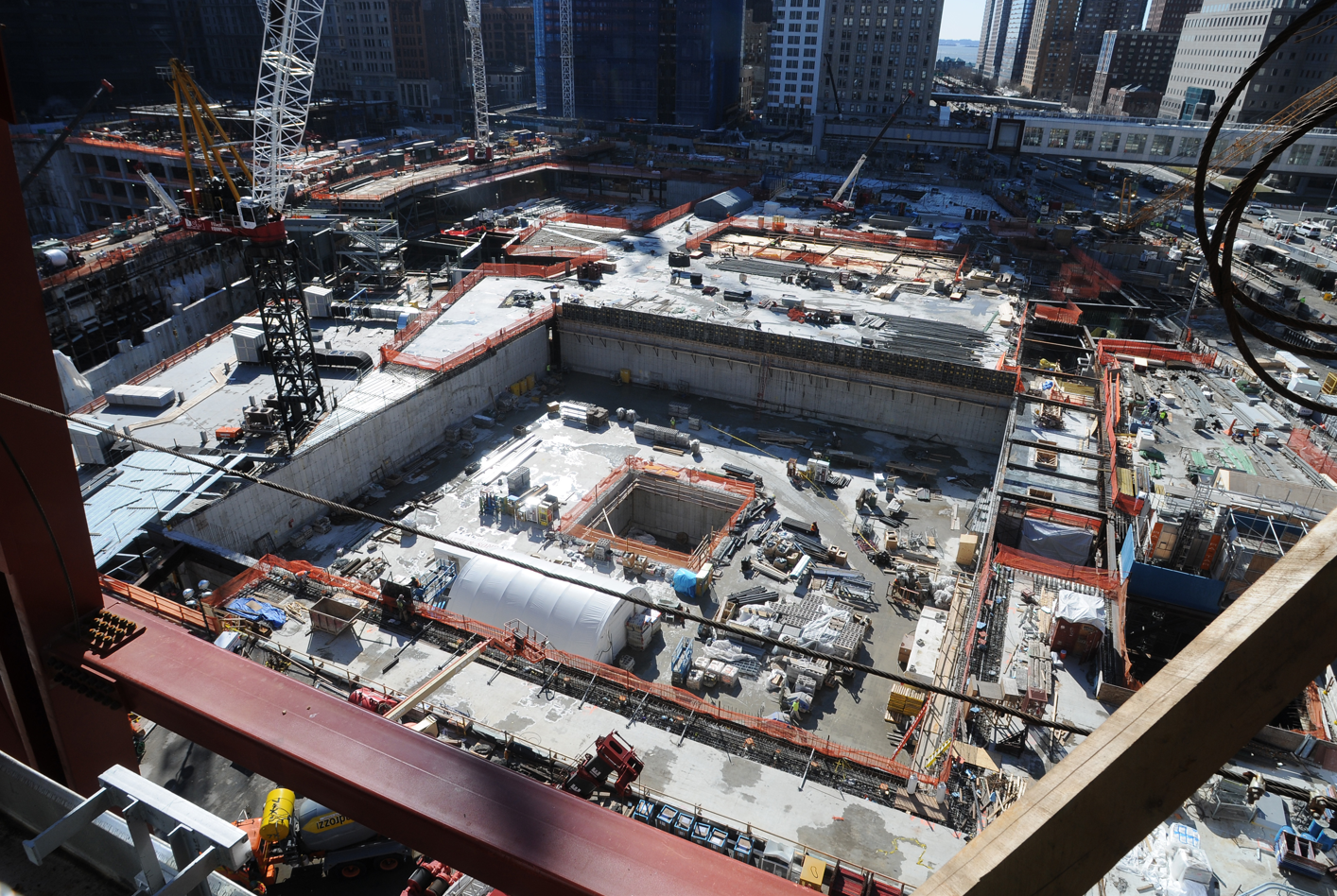
Ground Zero, Feb. 4, 2010. Photo credit: JB Nicholas.
I was back at Ground Zero in July, when Her Majesty Queen Elizabeth paid her respects to the 67 British citizens killed on 9/11 by laying a wreath where the South Tower once stood. A card read in the middle of the wreath read: “BUCKINGHAM PALACE / IN REMEMBRANCE / ELIZABETH R".
It was a stiflingly hot day with a high temperature of 103 degrees Fahrenheit, but the Queen didn't even break a sweat. She strolled into the construction site in a white-and-light-blue floral print dress. White pearls adorned her ears and hung from her neck. A simple black purse dangled from her left wrist. The Queen rocked a wide brimmed white hat with a swooping brim that recalled midcentury, modern design. Her “crown” was decorated with a small garland of flowers that matched the color of her dress.
A year before I'd moved across the East River to South Williamsburg, Brooklyn. From the roof of my 19th Century loft building, I watched as floor-after-floor of the new World Trade Center was built. Until, finally, one day in 2014, it was done. It opened for business later that year.
By then, the City I'd known and loved in the 'Aughts had just about vanished. Corporations, the global elite and social media stole all the whimsical posey. Everthing became scripted and planned, or so it seemed. The parties carried on, largely in Bushwick, but the vibe wasn’t the same. Something was missing.The devil-may-care sponateity that was the hallmark of life in post-9/11 just wasn’t there anymore.
New Yorkers were no longer dancing fearlessly in the shadow of death.
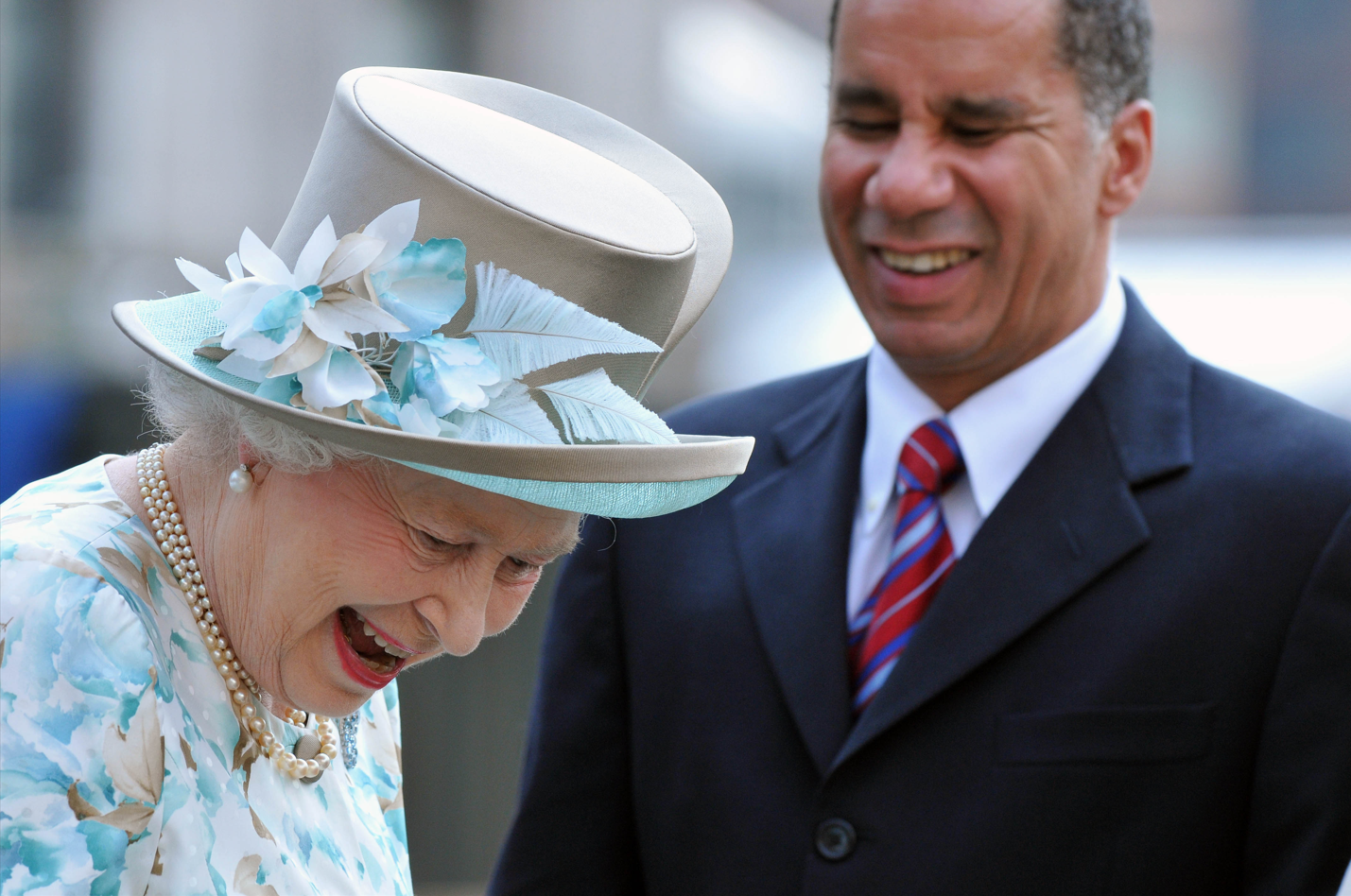
Queen Elizabeth visting Ground Zero, with New York Gov. David Patterson, July 6, 2010. Photo credit: JB Nicholas.
MORE PHOTOGRAPHS AND MORE ABOUT THE LIFE OF THE AUTHOR:

Send tips or corrections to jasonbnicholas@gmail.com or, if you prefer, thefreelancenews@proton.me